Tank Work
Tanks That Steady Your Water System
Highland Village Plumbing covers the tanks that keep household water steady: thermal expansion tanks beside water heaters, pressure tanks on private wells, and storage tanks for backup or rainwater. A failing one shows up as surging or dropping pressure, a well pump that cycles too often, a weeping relief valve or damp fittings, and each symptom worsens the longer it runs.
The tank has to suit the system, which means the right volume, an air pre-charge set to match line pressure and proper valves around it. The city also requires a drain pan with a 3/4-inch drain ending outdoors for a heater on an outside wall. Before anyone starts work in Highland Village, TX, check the plumber’s license with the Texas State Board of Plumbing Examiners.
Services Covered
Tank Jobs Taken On
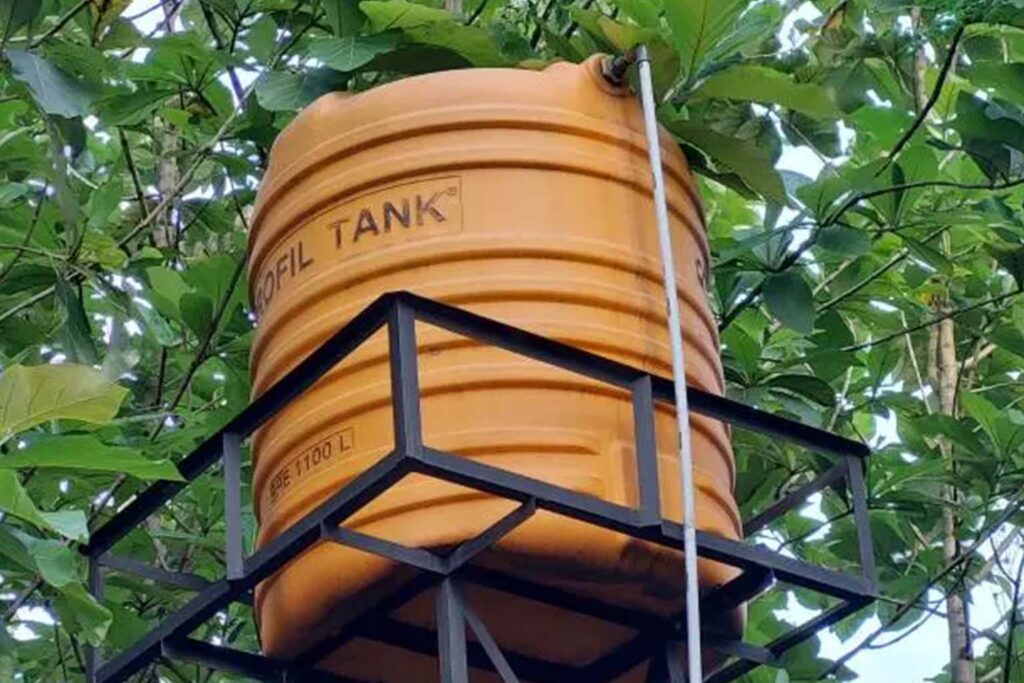
Fitting a Brand-New Tank
Expansion, well pressure or storage tank, chosen to match the heater, pump or household draw it has to serve.
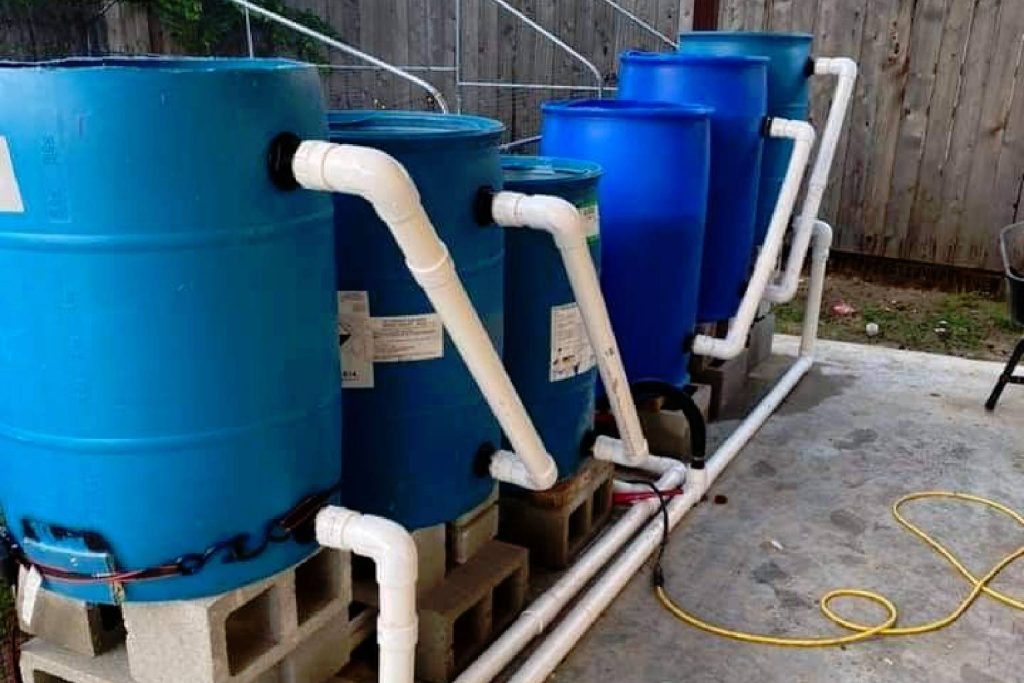
Replacing a Failed Tank
A rusted, leaking, waterlogged or undersized tank comes out and a correctly sized, suitable one goes in its place.
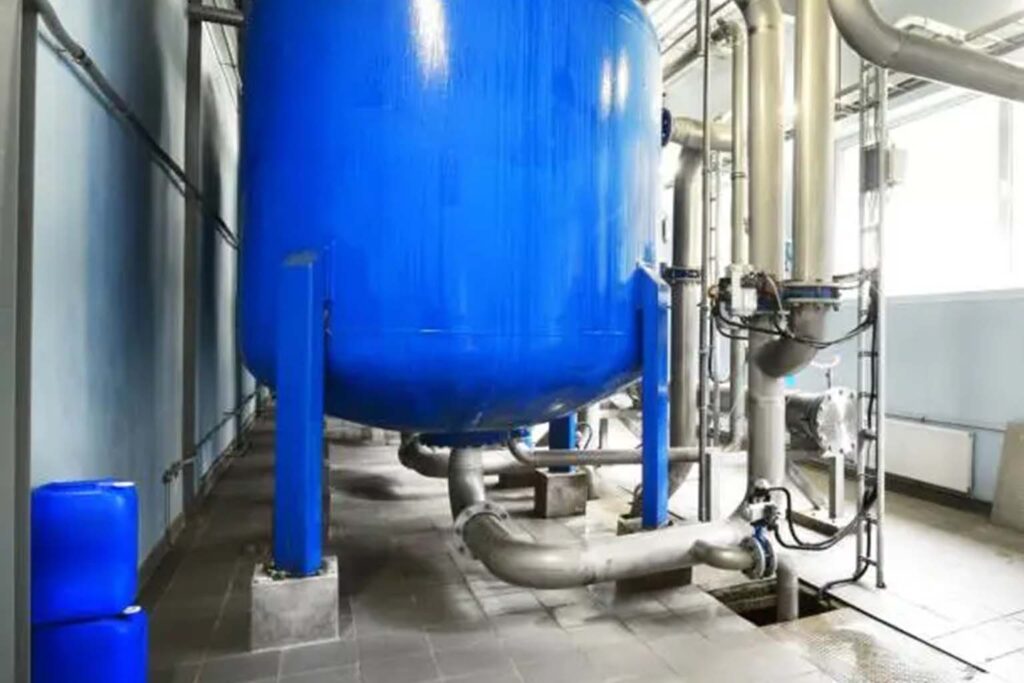
Expansion Tank Checks
Testing and resetting the air pre-charge, swapping a dead tank, and curing a relief valve that weeps whenever the heater fires.
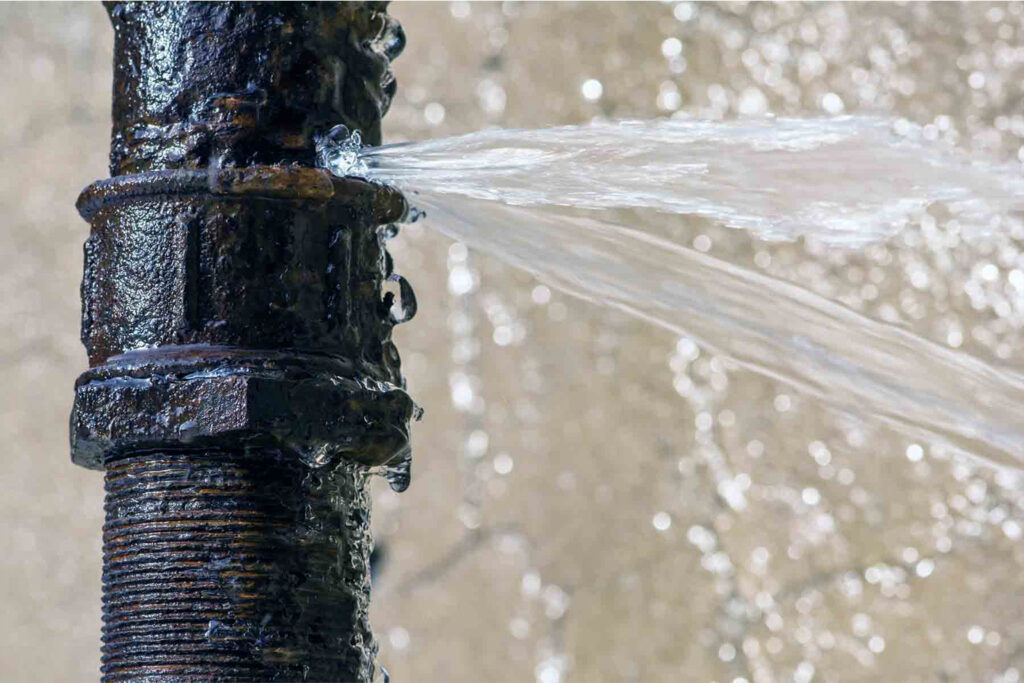
Stopping Drips
Weeping at the tank shell, the inlet and outlet connections or the valves gets sorted before it soaks floors or drywall.
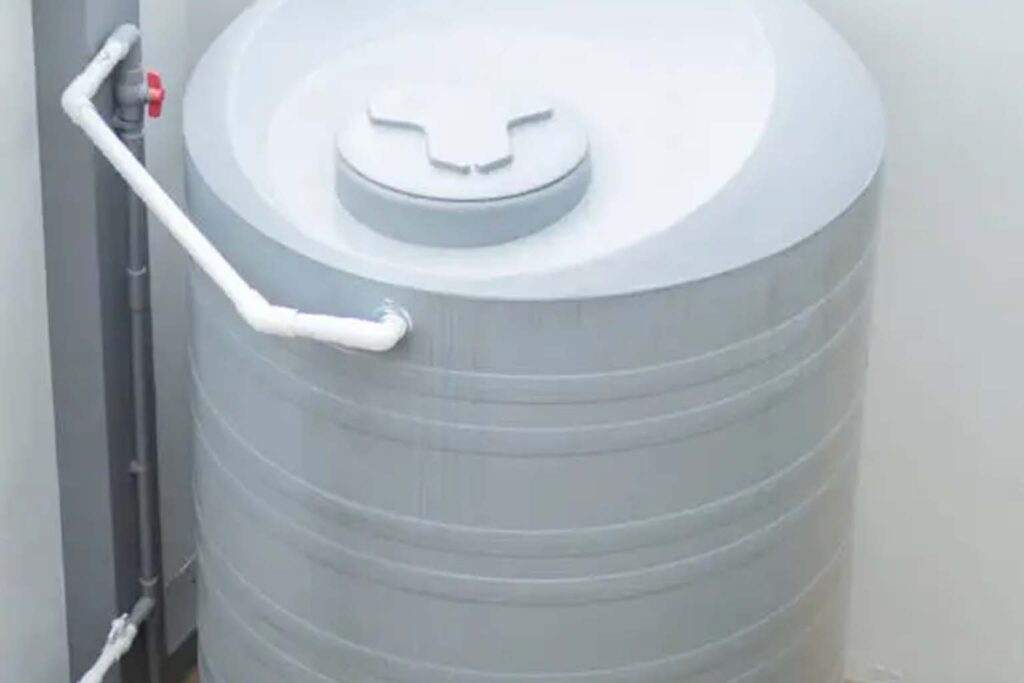
Private Well Tank Troubles
Waterlogged bladders, wrong pressure-switch settings and a pump that short-cycles itself into early retirement.
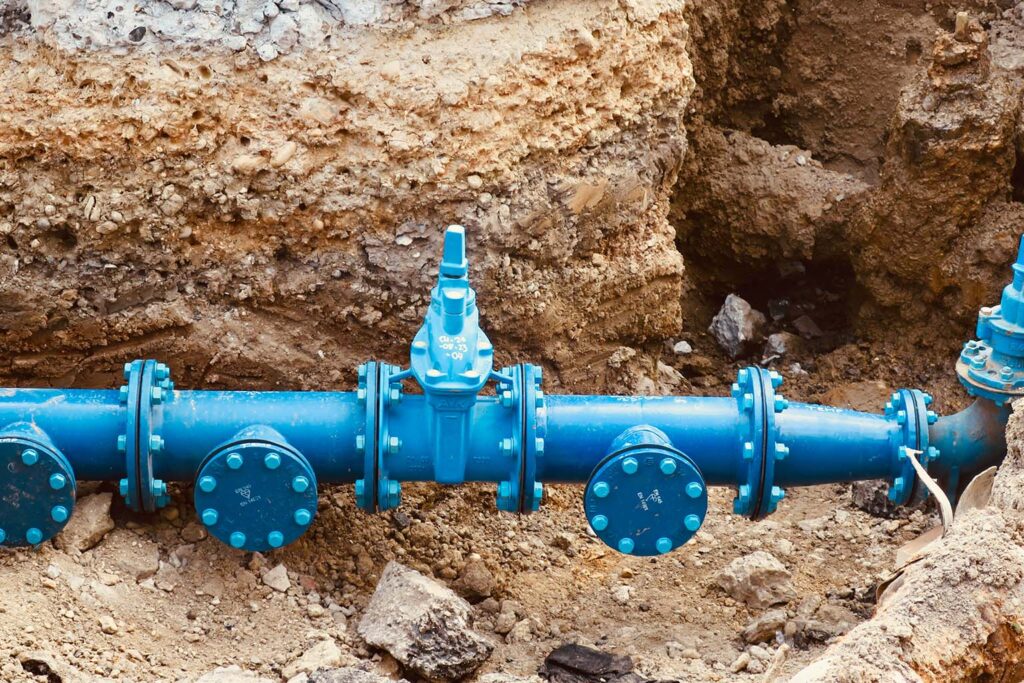
New Pipe and Valve Work
Corroded lines, tired shut-off valves, gauges and supports around the tank get swapped for sound ones.
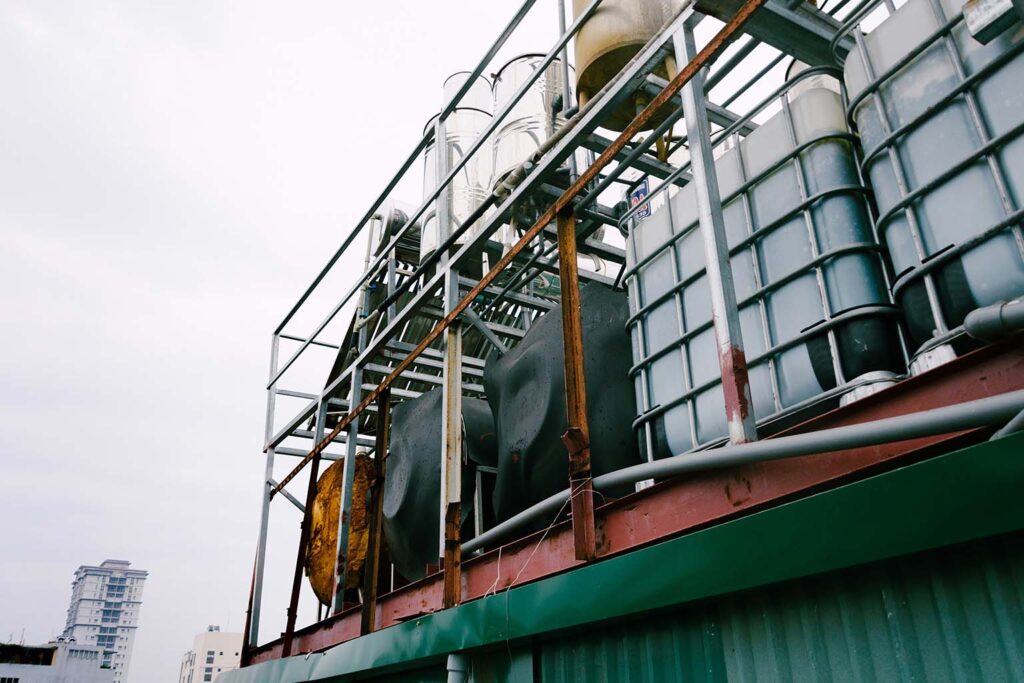
Hooking Up Storage Tanks
Backup and rainwater tanks get tied into the house with the pumps, filters and backflow protection the setup calls for.
What Matters
Working With Highland Village Plumbing on Tank Jobs

Built to the Instructions
Sizing, mounting and connections should follow the manufacturer’s instructions, with a pressure test of the system once the tank is in.

Close to Home
Work stays within Highland Village, TX, which makes follow-up visits simpler if the tank needs another look.

Root-Cause Fixes
A dead expansion tank or a worn-out well tank both come back unless the cause is found and fixed.

Honest Sizing
Tank size and type should follow from your heater, well or storage needs, with reasons given.

Respect for Your Home
Ask whether floors will be covered and the work area left tidy once the job ends.
Tell the plumber what you hear, see or smell, and the next steps should come back in everyday language.
Symptoms
Tank Trouble Signs to Watch For
- Water around the tank base
- Relief valve that weeps or spits
- Pressure that swings up and down
- Well pump kicking on every few seconds
- Rust streaks on the shell
- A pressure tank full of water
- Hammering in the lines
- Expansion tank too small or dead
- A tank that cannot keep its charge
When a tank acts up, the useful first step is finding out exactly why it is failing.
Where the Work Happens
Water Tank Work in Highland Village, TX and Nearby Areas
Tank jobs are taken on throughout:
Questions Homeowners Ask
Tank Questions
Why add an expansion tank?
Heating makes water take up more room. In a closed system that extra volume has nowhere to go, so pressure climbs in the pipes, valves and heater. The tank’s air cushion soaks up the surplus, holding pressure level and keeping the relief valve from weeping, which spares the heater too.
What shows an expansion tank has given out?
Knock on it. A healthy tank sounds hollow toward the top, while a waterlogged one is dull and solid from top to bottom. Other clues are a relief valve that drips, pressure that jumps when the heater fires, and water spurting from the air valve.
What does a failing well tank look like?
Short cycling is the classic sign: with a tap open, the pump starts and stops every few seconds. Pressure that pulses at the faucet, a gauge needle that swings, or rust and dampness on the tank body point the same way.
Why does the heater valve keep dripping?
Heating raises pressure, and with no working expansion tank (or none installed) the relief valve opens a little to let it off. A worn valve can leak by itself too. Treat it seriously either way, because that valve is a safety device.
What is a pressure tank's lifespan?
Water quality, pressure settings and pump cycling all shape tank life. Checking the pre-charge during routine upkeep and correcting short cycling early do the most to extend a tank’s years in service.
Is swapping a tank a DIY job?
It is possible, but the job means draining the system, matching the air pre-charge to your line pressure and making watertight connections. One slip can flood a utility room or ruin a pump or heater, so most homeowners call a plumber.
How do I pick the tank size?
The answer comes from the heater’s capacity and your line pressure; a plumber checks both and then matches the tank. Too small and pressure keeps building, too large and you have paid for volume you will never use.
Is an expansion tank required with my heater?
Closed systems, such as those with a check valve or pressure-reducing valve on the main, generally need one. Here a new heater also takes a permit from the Highland Village Building Inspections Department, a city-registered plumber and a final inspection.
What makes a well pump cycle so often?
Quick cycling usually means the pressure tank has lost its air charge or the bladder has split, so it can no longer hold water under pressure. A bad pressure switch can do it too. Ignoring it wears the pump out sooner than it should.
Which tank type suits a typical house?
It depends on the use. Bladder tanks suit private wells, expansion tanks suit closed-system heaters and polyethylene suits above-ground storage. Phase 1 conservation (May 1 to September 30) bars outside watering from 10 a.m. to 6 p.m., so stored water can help.
What decides the cost of replacing a tank?
Tank type and size, how easy the tank is to reach, and whether piping or valves need replacing at the same time all move the price. Ask for the quote in writing once the system has been looked at.
Must a storage tank sit on a slab?
Not always, but it needs a firm, level base. Concrete suits large tanks and soft soil; compacted gravel or a rated platform works for many smaller ones. An uneven footing strains the tank and can crack it over time.