A sudden high water bill can point to changed water use, a leaking fixture, a hidden pipe leak, or a billing error. Compare the bill with past bills, check toilets and faucets, and look for damp spots. If water is flowing or damage appears, shut off the safe nearby supply and seek plumbing help in Highland Village.
Table of Contents
- Why might your water bill suddenly increase?
- How can you tell if a sudden high water bill points to a leak?
- What should you check first inside your home?
- How can you use your water meter to check for a hidden leak?
- Can a running toilet or water heater cause a high bill?
- When does a high water bill signal a plumbing emergency?
- What should you do after discovering a sudden high water bill?
Why might your water bill suddenly increase?
A higher bill can come from more water use, a leak, a faulty fixture, or a billing issue. Compare the current bill with older ones. Check whether the billing dates or meter reading changed. A sudden jump does not always mean a pipe has burst, but it is worth looking into.
Changes in household water use
More people staying at home can mean more showers, laundry, and toilet use. Longer showers or extra lawn watering can also raise water use. A new appliance or a pool being filled may affect the bill, too. Think about changes during the bill period, not just today.
Some changes are easy to miss. A guest may use a bathroom that is not often used. Your household may also have run more laundry than usual. If your home has an irrigation system, check its schedule and see whether it ran during rain or while nobody was home.
Leaks, faulty fixtures, and billing issues
A small leak can run for a long time without making a puddle. Check toilets, outdoor faucets, water heaters, and pipes under sinks. A wrong meter reading or an estimated bill can also make the total look unusual. Review the dates and reading details on the bill.
If you can reach the meter safely, compare its current reading with the one on your bill. They may not match because they were taken on different dates. If the bill does not fit your household use, ask the water provider to explain the reading and billing period.
Seasonal water habits may affect use in Highland Village. Lawn watering and pool filling can add to household water use. But do not assume a large jump is only seasonal. Highland Village Plumbing helps Highland Village property owners look into possible fixture and pipe problems.
How can you tell if a sudden high water bill points to a leak?
A leak is more likely if the meter shows use when all fixtures are off. Damp spots that have no clear cause can also be a warning. Listen for dripping or running water, and notice musty smells or toilets that refill by themselves. A room that looks dry does not rule out a hidden leak.
Signs of a visible leak
Look under sinks, around toilets, near water heaters, and beside pipes you can see. Check for drips, rust, warped cabinet floors, peeling paint, and water stains. A faucet that drips after it is turned off can waste water. A wet spot near a pipe may point to a bigger problem.
Listen when the home is quiet. Hissing, trickling, or running sounds may come from a toilet tank or a pipe behind a wall. Do not open walls or take apart equipment to find a leak. A qualified plumber can trace the source and explain repair options.
Clues that water may be leaking behind walls or underground
A warm patch on the floor, a damp wall, or a new musty smell may mean water is hidden nearby. Outside, a soggy patch that stays wet in dry weather may point to a buried water line. A sudden drop in water pressure can also happen with a pipe leak, though other problems can cause it.
If the ground is wet near a service line, do not dig. Utility lines may be close by, and the leak may be outside your side of the meter. Note where the water appears and whether the area changes. Share what you find with the water provider or a plumber.
A hidden leak can harm wood, drywall, flooring, and stored items before it is easy to see. Treat the problem as urgent if a stain grows or water reaches electrical equipment. Shut off water only if the valve is safe to reach. Then get help.
What should you check first inside your home?
Start with fixtures that can leak quietly, such as toilets, faucets, and showerheads. Also check appliances that use water. Look for damp areas, running sounds, and steady drips. These checks are safe for many homeowners and can help narrow down the cause before a service visit.
Toilets, faucets, and appliances
Listen near each toilet after it has finished flushing. If its tank keeps filling or water moves into the bowl without a flush, the toilet may leak. You can try a simple dye check. Put a few drops of food coloring in the tank, wait without flushing, and see if color reaches the bowl.
Look under sinks and around toilet bases for dampness. Check washing machine hoses, dishwasher connections, and refrigerator water lines if you have them. Do not pull out a heavy appliance or touch wet electrical parts. Stop if a check feels unsafe or needs tools you do not know how to use.
A faucet aerator is the small screen at the end of a faucet. Dirt can collect there and slow the flow. You can clean it if it comes off easily and the faucet is not damaged. If several fixtures have low pressure, or low pressure comes with a new high bill, a pipe leak or supply problem may need a closer look.
Outdoor faucets, irrigation, and pools
Check outdoor faucets for drips, and make sure hoses are not left running. Look at visible sprinkler heads and valves. Water spraying the wrong way or pooling on the ground may point to a problem. A stuck sprinkler valve can keep water flowing after the system should be off.
Pools and decorative water features may need water added from time to time. But unusual water loss deserves a closer look. Check the equipment area and any automatic fill system. Do not adjust buried irrigation lines or pool plumbing if the work needs digging or electrical changes.
If you know the controls, you can safely pause an irrigation schedule for a short check. If the meter still shows use after indoor and outdoor fixtures are off, keep checking. Do not assume the bill is only due to the season.
How can you use your water meter to check for a hidden leak?
A water meter test can show whether water is moving when the home should not be using any. Turn off faucets, appliances, irrigation, and other water use, then watch the meter. If it moves, water is passing through it. The test cannot show where a leak is or prove its cause.
Prepare for a meter test
Pick a short time when nobody needs to use water. Make sure dishwashers, washing machines, ice makers, and irrigation systems are not running. Ask everyone at home not to flush toilets or use faucets during the check.
Find the meter and note its reading or flow indicator. Meter locations differ, and some covers are heavy or hard to open. Do not enter a small enclosed space or touch a meter that looks damaged. If you cannot reach it safely, ask the water provider what to do.
Wait briefly, then check whether the display has changed or its flow indicator is moving. If it has, turn off the home’s main water valve only if you know how and can reach it safely. Check the meter again. A change may help show whether the issue is inside the home or beyond that valve.
Understand what a meter reading can and cannot confirm
A moving meter is a clue, not a full diagnosis. It cannot show where a pipe is or explain which fixture is faulty. It also cannot prove that the meter is accurate. Some home systems use small amounts of water on their own, so make sure no equipment is running.
If the meter stays still, that does not rule out every leak. A leak that starts and stops may not happen during your test. A leak after the meter will usually show as water use. Write down the time and readings, then compare them with the bill and any later checks.
Do not force a stuck shutoff valve or remove a meter cover if it seems unsafe. A damaged valve can make a leak worse. A plumber can test the plumbing and help find a hidden leak instead of guessing from the bill alone.
Can a running toilet or water heater cause a high bill?
Yes. A running toilet can send water from its tank into the bowl without a normal flush. A leaking water heater can waste water or damage nearby areas. Check both when a bill rises without warning, but do not take apart gas or electrical equipment.
Common fixture and appliance problems
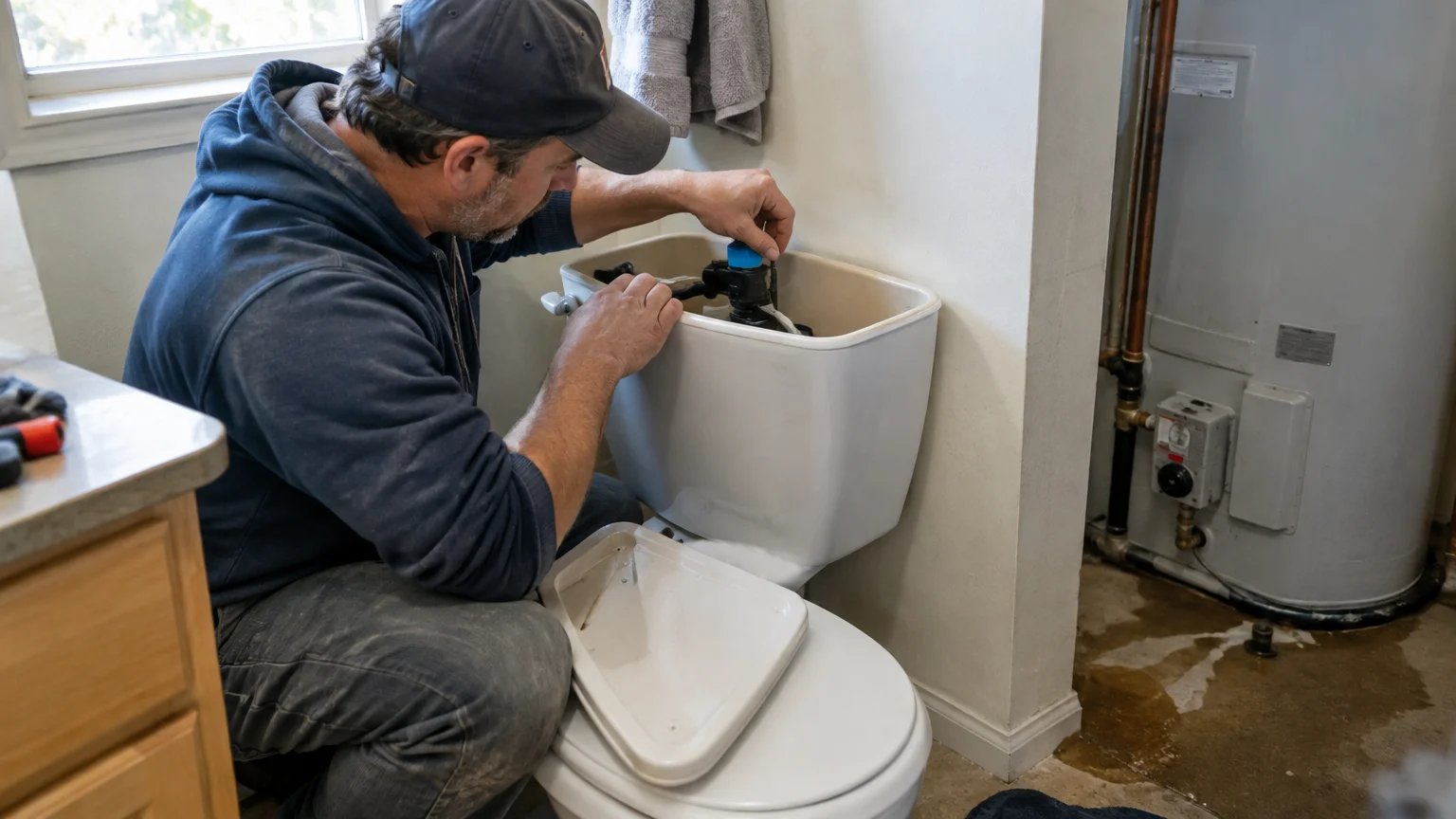
A toilet may keep running when its flapper does not seal, its fill valve sticks, or the water level is too high. You can look inside the tank and see whether parts move freely. If a simple adjustment does not stop the flow, Toilet Repair may help find and fix the fault.
Faucets and showerheads can drip when a washer or cartridge wears out. You may clean an easy-to-remove aerator or tighten a loose handle if the task is safe. Ongoing drips, water under a fixture, or a sudden pressure change needs a closer check.
Dishwashers, washing machines, and refrigerator lines can leak at a hose or connection. Look for moisture while the appliance is off, but do not touch a wet plug or move a heavy machine alone. If a hose is split or water is spreading, close the nearest safe shutoff valve and seek help.
Water heater leaks and unexpected discharge
Water at the bottom of a water heater may come from the tank, a pipe connection, or a drain valve. A discharge pipe may also release water because of a pressure or heat problem. The source matters, so do not treat every puddle as a harmless drip.
If the heater leaks from the bottom, keep people away from hot water and wet electrical parts. Turn off its water supply only if the valve is easy to reach safely. Gas and electrical controls can be dangerous. Do not remove covers or try to repair them.
A leaking water heater, unusual sounds, or loss of hot water calls for prompt attention. Water Heater Repair can help with a faulty unit. Water Heater Installation may be an option if repair is not right for the unit. Tankless systems also need proper size, venting, and setup. Installation should follow local rules and the maker’s instructions.
When does a high water bill signal a plumbing emergency?
A high bill signals an emergency when water is damaging the property, will not stop, or creates a safety risk. A burst pipe, fast-growing leak, sewer backup, or water near electrical equipment needs urgent help. A bill alone, without active damage or danger, usually calls for careful checks rather than panic.
Warning signs that call for urgent action
Treat these signs seriously:
- Water pours from a pipe, ceiling, or fixture and will not stop.
- A ceiling bulges, a wall gets soaked, or flooring starts to buckle.
- Sewage backs up into a tub, sink, toilet, or floor drain.
- Water reaches outlets, electrical appliances, or a breaker panel.
- A strong gas smell or hissing sound suggests a possible gas leak.
A gas leak is not the same as a water leak and needs different safety steps. If you suspect gas, do not use flames, switches, or appliances. Leave the building and move away. Contact emergency services or the gas utility from a safe place. Do not try to test the gas leak yourself.
For a major water leak, use the main shutoff only if it is safe and you know how. If water is near electrical equipment, do not step into it or touch switches. Emergency Plumbing can help with urgent leaks, backed-up drains, and other active plumbing problems.
Steps to limit water damage while waiting for help
Move people and pets away from the wet area. If it is safe, place a bucket under a small drip and move belongings away from wet floors. Do not stand under a sagging ceiling or touch wet electrical devices. Take photos from a safe place to record what you can see.
If the main shutoff is safe to reach, turn it off and tell others in the building. For a leak at one fixture, its local shutoff may stop the flow without cutting water to the whole property. Do not force a stuck valve. A broken valve can make the problem worse.
Highland Village Plumbing helps homeowners and businesses with urgent plumbing problems. A plumber can check the source, explain the needed repair, and help limit more water damage. Do not wait for another bill if water is still flowing or the property is becoming unsafe.
What should you do after discovering a sudden high water bill?
First, compare the bill with past use and check the reading period. Then inspect visible fixtures, test the meter if it is safe, and write down what you find. If water is actively leaking, causing damage, or creating danger, stop using the affected fixture and seek urgent plumbing help.
Document the bill, meter readings, and suspected problem
Keep the bill and note its start and end dates, meter readings, and whether the reading was actual or estimated. Record the current meter display with the date and time. Take photos of damp areas, dripping fixtures, or meter changes, but stay away from unsafe places.
Make a short list of recent changes, such as visitors, extra laundry, irrigation, or a new appliance. This can help you tell the difference between more water use and a possible leak or billing issue. If the reading seems wrong, ask the water provider to review it and explain how it checks the meter.
Do not assume the water provider or plumber will notice the same clues you did. Explain when the sound started, which fixtures you checked, and whether the meter moved while water was off. These details can help make the next check more focused.
Key takeaways
- A sudden high water bill may come from changed water use, a leak, or a reading issue.
- Check toilets, faucets, appliances, outdoor taps, and irrigation first.
- A meter test can show water flow, but it cannot find or diagnose a leak.
- Water near a heater, active pipe damage, or sewage backup needs prompt attention.
- Avoid DIY work on gas, electrical, hidden, or unsafe plumbing systems.
Frequently Asked Questions
What causes a sudden high water bill when nothing changed?
A hidden leak, running toilet, faulty appliance hose, or wrong meter reading can raise a bill even when habits seem the same. Check fixtures and compare the meter reading with the bill. If the meter moves while water is off, ask a plumber or water provider to help find the cause.
How can a homeowner check for a hidden water leak?
Turn off water-using fixtures and appliances, then watch the meter for movement. Also look for damp spots, stains, musty smells, or toilets that refill without a flush. A meter test may show that water is flowing, but a plumber may need to find a hidden pipe leak.
Can a running toilet cause a high water bill?
Yes. Water can leak from a toilet tank into the bowl without making much noise. Listen for the tank filling and check whether water moves in the bowl when the toilet is not in use. A dye check can show a tank leak. Ongoing running may need repair.
What should someone do if a water heater is leaking from the bottom?
Keep people away from hot water and wet electrical parts. If the water shutoff is safe and easy to reach, turn it off. Do not remove heater covers or work on gas or electrical controls. A plumber can check whether water comes from the tank, a connection, or a discharge pipe.
When should a high water bill be treated as an emergency?
Treat it as urgent when water is spreading, a pipe has burst, sewage backs up, or water reaches electrical equipment. Shut off water only if the valve is safe to use. If you suspect gas, leave the building and contact emergency services or the gas utility from a safe place.
Conclusion
A high bill is a warning, but it does not point to one cause by itself. Check household use, inspect easy-to-reach fixtures, and record meter readings. If you find an active leak, water damage, or a problem you cannot safely identify, Contact us to get help from Highland Village Plumbing.
A quick check may help you spot a simple fixture problem, but hidden leaks and unsafe equipment need care. In Highland Village, keep notes about what you saw and when it began.
If you are not sure what you are dealing with, it is worth having someone look at it before it turns into a bigger job. Find out more about our emergency plumbing in Highland Village. Get in touch with Highland Village Plumbing today and we will tell you where you stand.