The main signs you need a plumber include a burst pipe, fast leak, sewage backup, overflowing toilet, gas smell, or unsafe water heater. Shut off water when safe, keep people away from danger, and seek emergency plumbing help before a small fault causes major damage.
A plumbing problem can make a safe home stressful very quickly. Water can spread under floors, damage walls, or reach electrical parts. A blocked drain can also point to a larger sewer problem.
Highland Village Plumbing helps property owners understand when a problem needs fast action. This guide explains what to do first, which signs matter most, and when simple home checks are safe.
Table of Contents
- What should you do during a plumbing emergency?
- How do you know if a water leak requires immediate plumbing help?
- When is a burst or damaged pipe an emergency?
- When should you call a plumber for a clogged or overflowing toilet?
- Is a backed-up drain a plumbing emergency?
- Which water heater problems need immediate attention?
- How can you prevent a plumbing emergency from becoming more serious?
- Frequently Asked Questions
- Conclusion
What should you do during a plumbing emergency?
During a plumbing emergency, protect people first, stop water when safe, and limit damage. Do not enter standing water near electrical equipment. Anyone who smells gas should leave the building and contact the gas utility or emergency services from a safe place.
How to shut off the water safely
Most homes have a main water shutoff valve. It is often near the water meter, where the supply enters the home, or in a utility area. Turn the valve clockwise to stop water to the building. A smaller valve may be behind a toilet, under a sink, or beside a water heater.
Never force a valve. If it will not move, the handle may be damaged and need professional help. After shutting off the water, open a cold tap for a short time. This may lower pressure, but it will not repair the fault.
When temporary measures are appropriate
Temporary steps can help while help is coming. Use a bucket to catch a slow drip and towels to keep water away from furniture. Move items from the wet area and take photos for your records.
Do not use tape, sealant, or a clamp as a lasting fix for a pressurized pipe. Do not remove a water heater panel, test a gas appliance, or work on wiring. Highland Village Plumbing can help Highland Village homeowners decide which problems need urgent support and which simple checks are safe.
How do you know if a water leak requires immediate plumbing help?
A water leak needs quick help when it spreads fast, is hard to control, sits near electrical parts, or damages walls and floors. A small drip from a loose faucet may wait for routine service. Water from a ceiling, wall, pipe, or appliance connection needs close attention.
Visible leaks, water stains, and damp building materials
Visible water is a clear warning sign. A leak under a sink can harm cabinets and flooring. Water around a toilet may come from the supply line, tank, seal, or drain connection. A ceiling stain may show water moving through a hidden space above.
Soft drywall, peeling paint, warped flooring, and a musty smell also matter. These signs suggest that materials have stayed wet. Move belongings away, shut off the nearest valve if safe, and do not cut into a wall without knowing where pipes and wires run.
Hidden leaks and signs of water damage
Hidden leaks can be harder to find. Damp areas, warm floor patches, low water pressure, or the sound of running water may point to a leak behind a wall or below a floor. A water meter that changes while all fixtures are off can support that concern, but it does not show the leak location.
A leak under a slab, inside a ceiling, or near electrical equipment needs prompt attention. Delays can lead to mold, damaged framing, and larger repairs. Leak detection can help find the source without opening large areas at random.
When is a burst or damaged pipe an emergency?
A burst or badly damaged pipe is an emergency when water flows without stopping, the pipe cannot be isolated, or water enters walls, ceilings, floors, or electrical areas. Cold weather, rust, loose joints, and high pressure can all damage supply pipes.
Common warning signs of a burst pipe
Common signs include a sudden loss of water pressure, rushing sounds, wet spots, and unexplained puddles. A pipe may split inside a wall or ceiling. The first sign may be a stain or sagging surface. Outside, a fast-growing puddle may signal a buried line problem.
Shut off the main water supply if it is safe. Then open a faucet briefly to lower pressure and move items from the wet area. If the water will not stop, emergency plumbing help is needed right away.
Why delayed pipe repairs can worsen property damage
A damaged pipe can release water long after the first sign. Water can travel along joists, under flooring, and through insulation. It may reach outlets, light fixtures, or appliances. These risks make safety more important than trying a complex repair alone.
Pipe repair may require finding the break, removing damaged material, replacing the failed section, and checking for more leaks. The final cost depends on pipe size, access, parts, urgency, and the amount of damage. The plumber confirms the final cost on a quote before approved work begins.
When should you call a plumber for a clogged or overflowing toilet?
Call a plumber when a toilet keeps overflowing, will not drain after safe plunging, backs up more than once, or affects other fixtures. A toilet that keeps running is usually not an emergency when the bowl is empty and the shutoff valve works. It still wastes water and needs repair.
Signs a toilet blockage is more serious than a simple clog
A clog may involve more than the toilet when water rises in a nearby tub, shower, or floor drain. Gurgling sounds, sewage odors, slow drains in several fixtures, or repeated backups can point to a main drain or sewer problem. These signs need professional diagnosis.
Close the toilet supply valve by turning it clockwise. You can try a toilet plunger with a flange when the bowl is not close to overflowing. If plunging fails, stop trying. More attempts may push water farther into the system.
What to avoid when an overflow is spreading
Do not flush the toilet again or pour chemical drain cleaner into the bowl. Chemicals may splash, harm plumbing parts, and create a danger for anyone working on the line later. Keep children and pets away from dirty water.
Overflow water should be treated as dirty. Clean and dry the affected area after the plumbing issue is fixed. A toilet repair plumber can find out whether the fault is in the tank, trap, drain, or larger sewer system.
Is a backed-up drain a plumbing emergency?
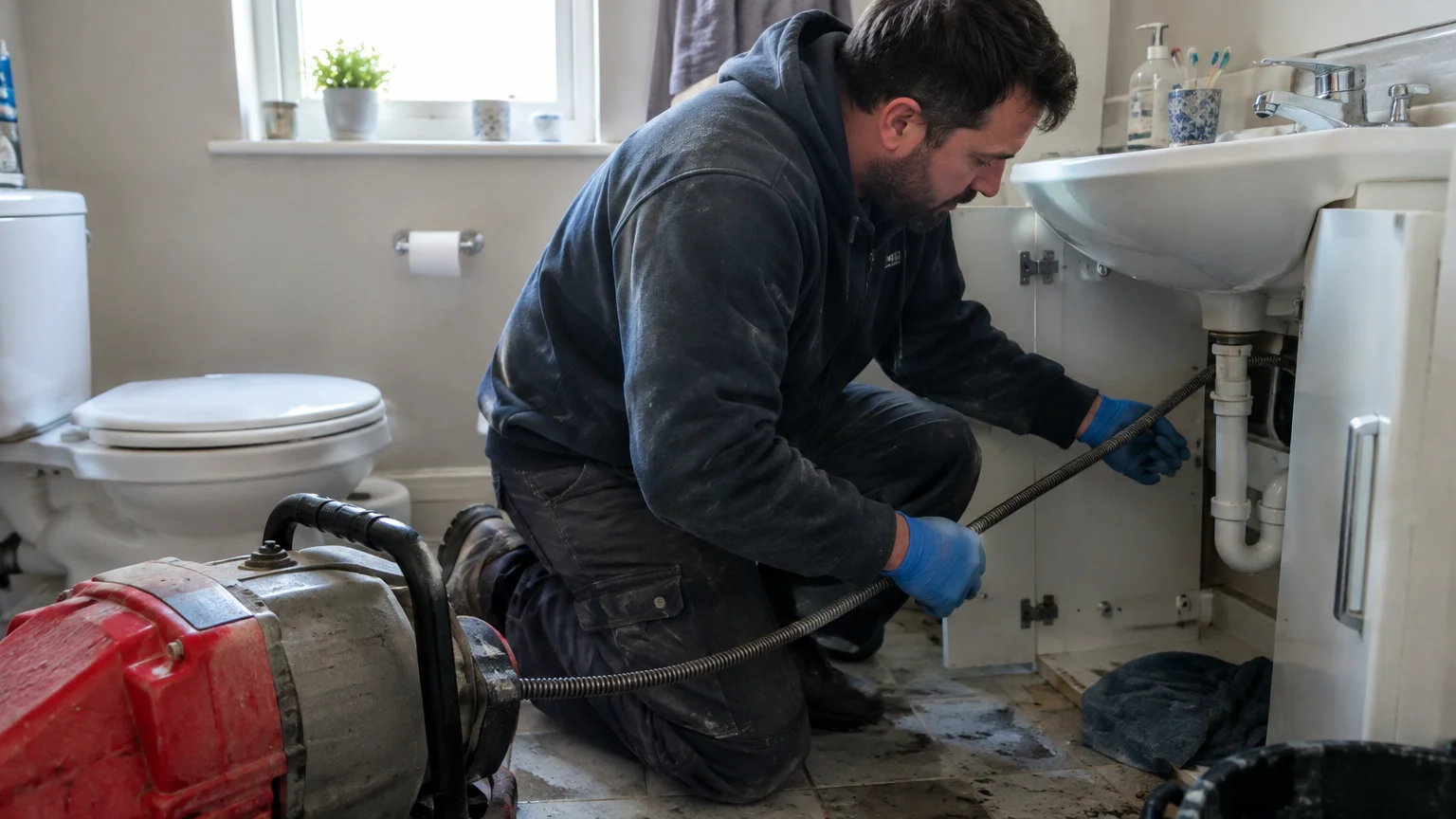
A backed-up drain is an emergency when wastewater rises, several drains stop working, or sewage enters the building. A slow bathroom sink may need routine drain cleaning. A backup across the home may signal a main sewer line problem.
How to distinguish a localized clog from a main sewer line problem
A local clog usually affects one fixture. Hair, soap, food waste, or a small object may block a sink or tub. You may remove visible debris and use a suitable plunger. This is often safe when no wastewater is present.
A main line problem affects several fixtures at once. Toilets may gurgle when a sink drains. Water may rise in a shower after laundry runs. These patterns show that wastewater may not have a clear path out.
Warning signs that multiple drains are affected
Important warning signs include sewage odors, bubbling toilets, slow drains throughout the building, and water coming from a floor drain. Heavy rain can also reveal a weak or damaged drainage system when water enters a restricted line.
Stop using sinks, showers, toilets, and laundry appliances when several fixtures are affected. A plumber can inspect the system and choose a safe method for drain cleaning or drain repair. Do not cut into a pipe or use strong chemicals, since this can make the problem harder to find.
Which water heater problems need immediate attention?
Water heater problems need immediate attention when the tank leaks, water is scalding, pressure is abnormal, gas may be present, or electrical parts are wet. A complete loss of hot water needs prompt repair. It is not always an emergency when there is no leak or safety risk.
Leaks, pressure issues, and unusual noises
Water around a tank, relief valve, pipe connection, or pan should be checked quickly. A small connection leak may get worse. Water from the tank body often suggests internal failure. Do not move or open a water heater if you are not trained.
Banging, popping, rumbling, or hissing sounds can show mineral buildup, trapped steam, or another fault. These sounds do not always mean immediate danger, but they should not be ignored. A water heater repair plumber can check the unit and explain whether repair or replacement fits the problem.
Loss of hot water, scalding risks, and electrical concerns
A failed heating element, thermostat, burner, or control can cause cold water. Water that suddenly becomes too hot can burn people, especially children and older adults. Do not keep changing the temperature control without finding the cause.
If an electric water heater is wet, turn off the breaker only when the panel can be reached safely and no standing water is present. A gas smell requires immediate evacuation, not a search for the source. For gas line plumbing concerns, avoid switches, flames, and tools until the area is safe.
How can you prevent a plumbing emergency from becoming more serious?
A plumbing emergency is less likely to worsen when water is shut off, unsafe areas are avoided, and clear details are ready for the plumber. Basic upkeep also helps. Homeowners can clean aerators, remove hair from drain covers, check visible supply lines, and test shutoff valves without forcing them.
What information to provide an emergency plumber
Tell the plumber where the problem is, when it began, and what changed first. Useful details include whether water still flows, which fixtures are affected, and whether the building has a crawl space, slab foundation, or finished ceiling below the leak.
Photos or short notes may help explain the problem. Tenants should notify the property owner or manager quickly. Business owners should keep customers and staff away from wet floors, exposed wiring, and dirty water.
Key takeaways for deciding when to call
- Shut off the nearest safe valve when water is spreading.
- Treat sewage, gas smells, and electrical hazards as urgent risks.
- Call promptly for burst pipes, hidden leaks, or several blocked drains.
- Use a plunger only when the fixture and water level make it safe.
- Do not force valves or open gas and electrical equipment.
Highland Village Plumbing serves Highland Village and nearby communities. Its service area includes Highland Shores, Castlewood, Lewisville, Flower Mound, Double Oak, and Copper Canyon. A clear description of the problem helps the plumbing team prepare for the right response.
Frequently Asked Questions
How can someone test for a gas leak?
Do not test a suspected gas leak with a flame, electrical switch, or tool. If you smell gas, hear hissing, or worry about a gas appliance, leave the building. Contact the gas utility or emergency services from outside. Gas line plumbing should be checked by a qualified professional.
What should someone do if a toilet keeps running?
Check whether the tank flap, float, or handle is stuck. You may gently close the toilet supply valve. If the valve will not close, the tank leaks, or the toilet keeps running after a simple adjustment, a toilet repair plumber should inspect it. A running toilet wastes water and may have worn parts.
Why does a toilet keep running after it has been flushed?
A toilet may keep running because the flapper does not seal, the float is set too high, or the fill valve is worn. Mineral buildup can also affect the seal. A homeowner may inspect these parts without force. A plumber should handle repeated faults, leaks, or a toilet that will not stop filling.
When is drain cleaning safe to try at home?
Simple cleaning is often safe when one sink or tub drains slowly and there is no sewage backup. Remove visible hair and use a suitable plunger. Strong chemical cleaners are not a good choice when the cause is unknown. Several affected drains, odors, or repeated backups need professional drain cleaning.
Does a complete loss of hot water require an emergency plumber?
A loss of hot water needs prompt service, but it is not always an emergency. It becomes urgent when the unit leaks, smells like gas, creates unusual pressure, has wet electrical parts, or produces dangerously hot water. A water heater repair plumber can find the cause and explain the safest next step.
Conclusion
The clearest signs you need a plumber include uncontrolled water, a burst pipe, sewage backup, repeated toilet overflow, several blocked drains, gas concerns, and unsafe water heater behavior. Safe steps can limit damage, but they cannot replace a proper diagnosis.
Highland Village Plumbing helps property owners respond to urgent leaks, clogged drains, toilet problems, and water heater issues. Contact us to arrange prompt help for an emergency plumbing concern.