When you wonder why drains keep clogging, common causes include leftover waste, buildup inside a pipe, or a blockage farther along the line. One slow drain may have a simple cause. Repeat clogs, several slow fixtures, or sewage smells can point to a larger plumbing problem that needs a closer look.
Start by noting whether the same drain clogs again or several fixtures are affected. In Highland Village, homeowners can write down what they notice and where it happens. This record can help a plumber find the source without guesswork.
Table of Contents
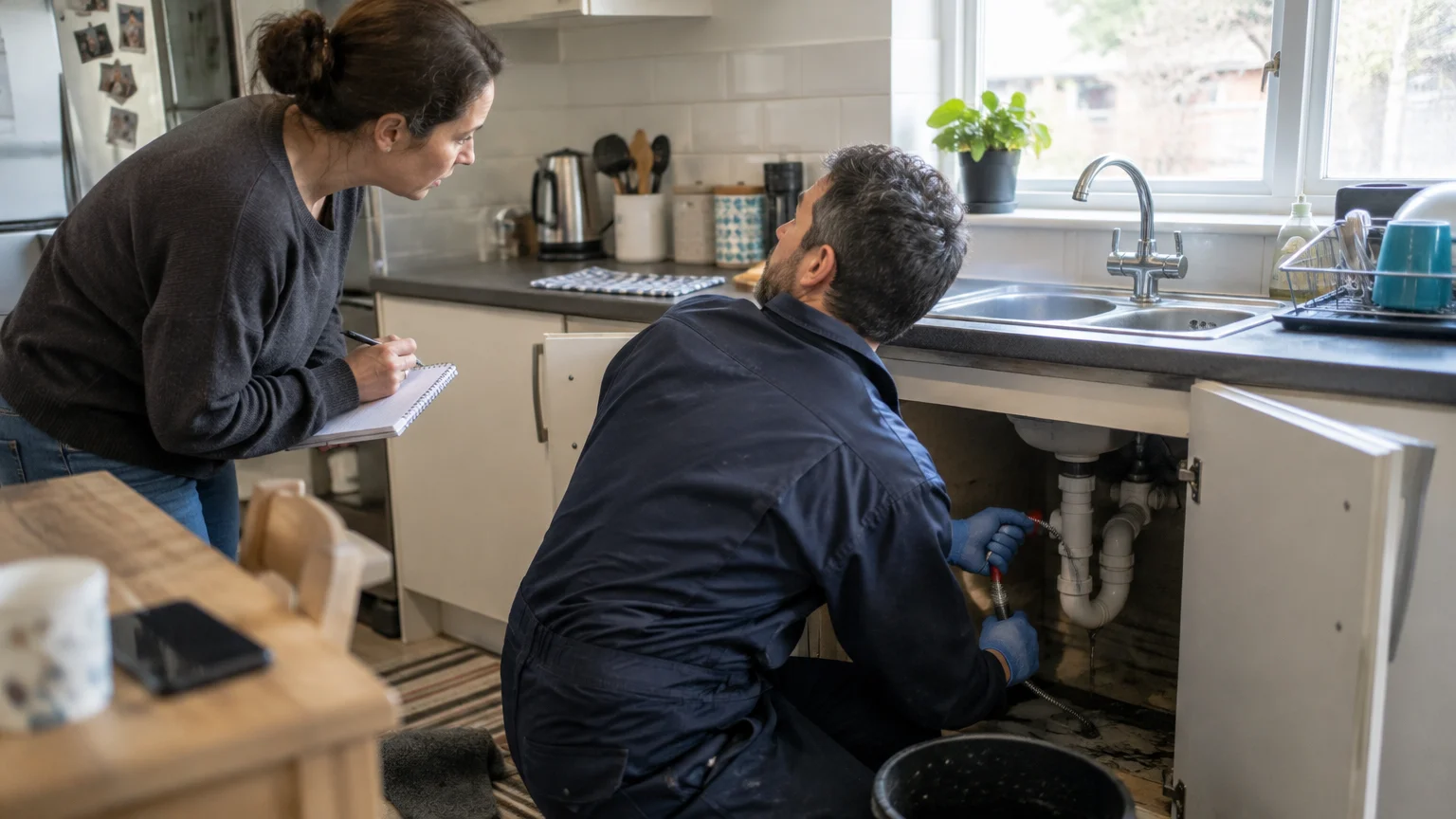
- Why do drains keep clogging?
- What warning signs suggest a bigger plumbing problem?
- What causes repeated clogs in household drains?
- How can you tell whether the problem is local or in the sewer line?
- What should you do when a drain keeps clogging?
- How can you prevent drains from clogging again?
- When should you call a licensed plumber about recurring clogs?
- Frequently Asked Questions
Why do drains keep clogging?
Drains keep clogging when waste sticks to pipe buildup, a blockage stays behind, or water cannot flow through a damaged or blocked line. If the same fixture slows soon after cleaning, the clog may not be fully gone. A deeper blockage may also push waste back toward the drain.
A one-time clog often affects one spot. Hair may gather near a bathroom drain, or food scraps may catch in a kitchen pipe. Removing the material may help the fixture drain well again. If the same clog returns, buildup farther inside the pipe or a repeated habit may be the cause.
How is a recurring clog different from a one-time blockage?
A recurring clog comes back after someone clears the drain. It may return in the same fixture, or other drains may become slow or noisy. These patterns can help show whether the problem is close to one drain or farther inside the plumbing system.
A drain may seem clear even if waste remains inside. Water can pass through a small opening while grease, soap, or other debris clings to the pipe walls. That waste can catch more material and narrow the path again. Clearing only the drain opening may not remove it.
Why might removing the visible blockage not fix the cause?
The material you can see may not be the main cause. A plunger may move a clog without removing it. A hand tool may clear only part of the pipe. If there is pipe damage, heavy buildup, or a blockage farther along, the drain may clog again soon.
Notice how soon the problem returns and which fixtures are affected. Highland Village Plumbing can help property owners sort through these clues and decide what to check. A clear description of the pattern is more useful than guessing at a repair.
What warning signs suggest a bigger plumbing problem?
Several slow drains, gurgling sounds, sewage odors, or repeat backups may point to a blockage beyond one fixture. A single slow drain may have a local cause. Problems in several rooms can point to trouble in a shared drain or sewer line. Take these signs seriously, especially when they happen together.
Listen for bubbling or gurgling after a toilet flush or as water leaves a sink. This sound can happen when air moves around water in a partly blocked pipe. It does not prove that a sewer line is damaged. But it is a useful clue when other changes happen too.
Which drain and toilet changes should you watch for?
Notice whether sinks, tubs, showers, toilets, or floor drains have trouble. If water rises in a tub when a nearby toilet flushes, or several fixtures drain slowly, the problem may be in a shared line. A toilet that bubbles or flushes poorly may also be part of a wider drain issue.
A running toilet is often a separate problem. It can waste water and may need a simple fix to its fill parts or flapper. But if the toilet will not flush well and nearby drains are slow, do not assume the toilet is the only cause. A plumber can check the drain line.
What do odors, stains, or backups mean?
A sewage smell near a drain or on a lower level may mean waste or sewer gas is where it should not be. Water stains, damp spots, or wet areas that keep returning may point to a leak or backup. Keep people away from wastewater, and do not touch it without proper protection.
A sewer backup can expose people to harmful waste and damage floors or belongings. If dirty water comes up through a floor drain or toilet, stop using nearby plumbing and get help promptly. Highland Village Plumbing can explain how its plumbing services may help with blocked drains and other urgent problems.
What causes repeated clogs in household drains?
Repeated clogs often form when grease, hair, soap, or other waste sticks inside a pipe and catches more material. Some blockages come from everyday use. Others involve pipe buildup, damage, roots, or a sewer-line blockage. The right fix depends on where the clog is and what caused it.
Kitchen drains often collect fats, oils, food bits, and soap. These materials can stick to pipe walls instead of washing away. In bathrooms, hair and soap can gather near the drain or farther down the pipe. In laundry areas, lint may collect if it gets past a screen or filter.
What should never go down a household drain?
Household drains should carry water and suitable waste only. Toilets are made for human waste and toilet paper, not household trash. Even items labeled as flushable may not break apart quickly in pipes. Keeping these items out can help prevent clogs.
- Put cooking grease and oil in a sealed container for disposal, not the sink.
- Use a drain screen to catch hair and food scraps.
- Keep wipes, paper towels, cotton swabs, and hygiene products out of toilets.
- Put food scraps in the trash or compost before washing dishes.
- Clean lint screens and keep loose fibers out of utility drains.
Can roots, pipe damage, or buildup cause clogs?
Yes. Tree roots can enter small openings in underground pipes and grow toward moisture. A cracked, shifted, or sagging pipe can also slow water and catch debris. Mineral deposits and years of waste may narrow older pipes, so even a small amount of new debris can cause another clog.
A plumber may use a drain camera to look inside a line. This is a small camera on a flexible cable. It can help find a blockage or signs of damage without digging first. The plumber can use what they see to plan cleaning, repair, or more checks.
How can you tell whether the problem is local or in the sewer line?
A clog is more likely to be local when one sink, tub, or shower drains slowly and other fixtures work normally. Several affected drains, bubbling toilets, or water coming up through a low drain may point to a shared line or sewer blockage. These signs are clues, but they cannot confirm the exact cause.
Note which fixtures act up and what happens when water runs elsewhere. One slow bathroom sink may point to its trap or branch pipe. If a toilet flush makes a nearby tub gurgle, the issue may be farther along a shared drain path.
Which fixtures are affected?
The place and number of affected fixtures can help narrow down the problem. A kitchen sink clog may be limited to that sink’s pipe. Several fixtures on the same level may share part of a drain line. If lower-level drains back up while upper fixtures are used, the main drain or sewer connection may need attention.
Do not run water again and again to test a possible backup. Extra water can make an overflow worse. Instead, write down what happened, which fixtures were in use, and whether the problem continues. These details can help a plumber choose the right check.
How does a plumber find a blockage?
A plumber may check the affected fixture, see how water drains, and choose tools for the pipe and blockage. A camera inspection can show the inside of a drain line. The plumber may also check access points and look for a leak, pipe shift, or roots.
Drain cleaning removes material that blocks water flow. The right method depends on the pipe’s condition and the type of clog. Clearing a drain without finding why it clogged may leave the cause in place. Ask the plumber to explain what the check found and what work may be needed.
What should you do when a drain keeps clogging?
Stop adding water to a drain that is backing up, and keep people away from dirty water. For a simple slowdown in one fixture, a homeowner can often remove visible debris from a screen or stopper. If the clog returns, affects several fixtures, or brings up sewage, a plumber should check it.
Before asking for help, note when the problem began and whether it happened before. Tell the plumber which drains are slow, whether you hear gurgling, and whether water backed up. This can guide the first checks and help avoid guesswork.
What can a homeowner safely check?
A homeowner does not need a professional for every small drain problem. If there is no backup or sewage smell, it is often safe to remove and clean a drain stopper or screen. Follow the fixture maker’s instructions, and do not force tools into a pipe. A plunger may help with a simple clog when used the right way.
Stop if water rises, a pipe leaks, or the clog will not move. Do not mix cleaning products, and keep children and pets away from the work area. Chemical cleaners may harm people or some pipes and fixtures. Plunging again and again can push waste deeper or cause a spill.
Why avoid chemical cleaners and repeated plunging?
Chemical drain cleaners can be harsh and may not remove a deep blockage. They can leave harmful liquid in standing water, which can put someone at risk when the drain is opened later. Never mix cleaners, and tell a plumber if you used one.
Repeated plunging may not fix a clog caused by roots, pipe damage, or a blockage beyond the fixture. If careful plunging does not help, stop instead of forcing it. Professional Drain Cleaning can address a clog with tools chosen for the pipe and problem.
How can you prevent drains from clogging again?
Good daily habits can reduce the waste that goes into household drains. Use screens, keep grease out of sinks, and put trash in a bin instead of a toilet. These steps cannot prevent every pipe problem, but they can help stop common clogs.
Kitchen drains need special care because fats and food scraps can stick inside pipes. Let grease cool, then put it in a suitable container for disposal. Scrape plates before rinsing, and clean sink strainers often. Hot water alone will not carry grease safely through the plumbing.
What habits protect kitchen, bathroom, and laundry drains?
In bathrooms, clear hair from screens and stoppers before it washes down the drain. In laundry areas, clean the washer’s lint filter as the maker advises. Use toilets only for waste and toilet paper. Small, steady habits can help keep pipes clear.
- Put drain screens where hair or food scraps might enter.
- Wipe greasy pans with a paper towel before washing them.
- Remove hair from shower and tub drains after use.
- Keep wipes and other trash out of toilets.
- Watch for slow drains and deal with small changes early.
When may professional cleaning or inspection help?
Professional cleaning may help when a drain keeps clogging despite careful upkeep. It may also help when several fixtures drain slowly or a clog returns soon after basic clearing. If a plumber finds pipe damage or root growth, an inspection can help show what repair is needed.
Routine checks may make sense for a property with repeat backups or known drain trouble. A plumber can suggest an approach based on the pipe’s condition and the property’s needs. Do not set a schedule by guesswork. Ask what the problem you have seen calls for.
When should you call a licensed plumber about recurring clogs?
Call a licensed plumber when clogs keep returning, several fixtures are affected, sewage backs up, or you suspect a damaged pipe. A single small clog may be safe to clear at home. Repeat problems can point to a deeper issue. Prompt help may limit water damage and contact with wastewater.
Seek urgent plumbing help if dirty water enters the home, a drain overflows, or a leak is soaking walls or floors. Stop using fixtures that may add water to the backup. Keep children and pets away from wet areas, and do not touch water that may contain sewage.
What details should you share with the plumber?
Explain which drains are affected, how often the clog returns, and what you have tried. Mention gurgling, sewage smells, water stains, or a backup. If you used a drain cleaner, name the product if you know it. Clear details help the plumber plan a safe check.
For a property in the main Highland Village area, Highland Village Plumbing can help identify the next step for a recurring drain issue. Nearby communities include Highland Shores, Castlewood, Lewisville, Flower Mound, Double Oak, and Copper Canyon. Do not wait for a small backup to spread through a room. Get professional guidance when signs point beyond one fixture.
Key takeaways and conclusion
- A clog that returns may not have been fully cleared.
- Several slow drains may point to a shared line problem.
- Keep grease, hair, wipes, and trash out of drains.
- Avoid chemical cleaners and stop if water backs up.
- Call a plumber for sewage, repeat clogs, or pipe damage signs.
A recurring clog may come from simple buildup or a larger pipe problem. Safe habits can help, but they cannot repair a damaged line or remove every deep blockage. Contact us today to discuss a drain that keeps clogging with Highland Village Plumbing.
Frequently Asked Questions
Why does the same drain clog again after it is cleared?
The clearing may have opened a small path without removing all the buildup. Grease, hair, soap, or other waste can stay on pipe walls and catch more debris. A deeper blockage or damaged pipe can also cause repeat clogs. Note how soon it returns and whether other fixtures are affected.
Can a clogged drain cause other plumbing problems?
A clog can cause slow drainage, gurgling, or water backing up through another fixture. If a blockage is deep in a shared line, more than one drain may be affected. A clog does not always mean the pipe is damaged. But repeat backups should be checked before they cause more trouble.
Should a homeowner use chemical drain cleaner?
Chemical drain cleaner is not the best first step for a recurring clog. It may not clear a deep blockage, and standing product can harm people or pipes. Do not mix cleaners. For a small clog, remove visible debris or try careful plunging, then stop if the drain backs up.
How can someone tell if a blockage is in the sewer line?
Several slow drains, bubbling toilets, or wastewater rising through a low drain may point to a shared line blockage. One slow sink is more likely to have a local clog. These signs are clues, not a final answer. A plumber can inspect the line and find where the problem is.
When is a recurring drain clog an emergency?
Treat it as urgent when sewage backs up into the home, a drain overflows, or water is causing damage. Stop using affected fixtures and keep people and pets away from wastewater. A repeat clog without a backup may not need emergency help, but it still needs a timely plumbing check.
If you are not sure what you are dealing with, it is worth having someone look at it before it turns into a bigger job. Get in touch with Highland Village Plumbing today and we will tell you where you stand.