A new fixture not working can be caused by a closed valve, blocked part, bent supply line, or loose connection. Check only what you can see and reach safely, and look for leaks before using it again. If water is spreading, a pipe looks damaged, or you cannot find the cause, stop and ask a plumber for help in Highland Village.
A new faucet, toilet, or shower should work once it is connected to your home’s plumbing. If it does not, there may be a small setup issue or a problem that needs a plumber to inspect. The checks below can help homeowners, tenants, property owners, and business owners choose a safe next step in Highland Village.
Table of Contents
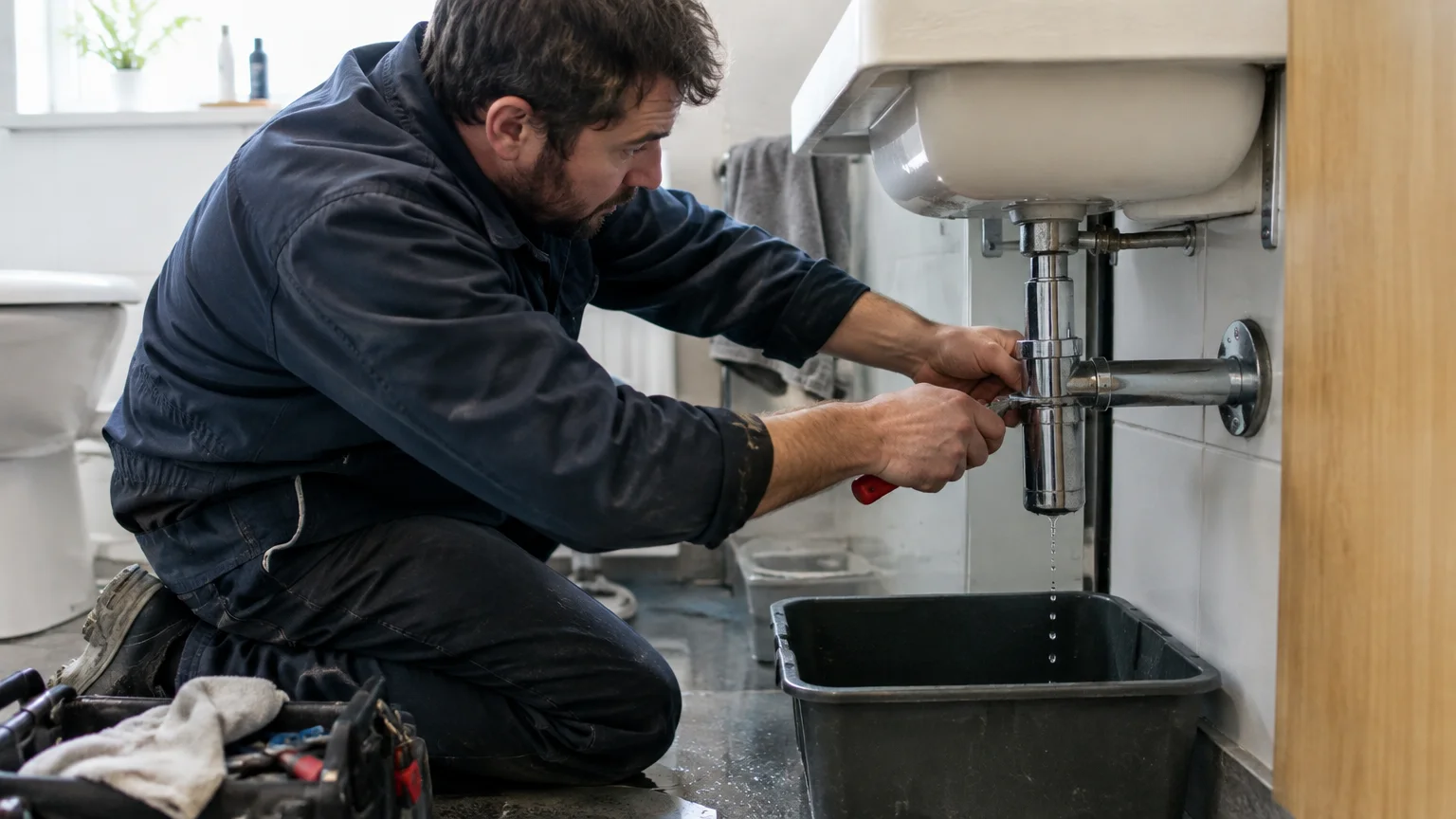
- Why is my new plumbing fixture not working?
- What should I check before using the fixture again?
- Why is my new faucet producing weak or uneven water flow?
- Why is my new toilet running, leaking, or not flushing?
- Why is my new shower or other fixture leaking?
- What can I troubleshoot safely, and when should I stop?
- When should I contact a plumber about a new fixture?
- Frequently Asked Questions
Why is my new plumbing fixture not working?
A new plumbing fixture may not work because a shutoff valve is closed, a part is blocked, or a connection was fitted the wrong way. A plumbing fixture is something that uses or drains water, such as a sink, toilet, tub, or shower. The trouble may affect just one fixture, or it may point to a wider plumbing issue.
Small setup problems can affect a new installation. A faucet handle may be fitted the wrong way, a supply line may be bent, or bits of dirt may have entered during the work. A toilet part inside the tank may need a small change. These issues can affect kitchen and bathroom fixtures, even when they are new.
Sometimes the fixture is not the cause. A closed valve, clogged pipe, or weak water supply can affect more than one tap or bathroom fixture. If several fixtures have low flow, note which rooms are affected. That detail can help show if the issue is local or part of the home’s water system.
Highland Village Plumbing can help property owners work out whether a new fixture needs a simple adjustment or a closer look. The first safe steps are much the same for homeowners, landlords, tenants, and business owners. Do not force handles, watch for water, and avoid taking apart parts you cannot put back safely. A new installation does not rule out an older pipe or valve problem.
How can installation affect a new fixture?
A fixture must fit its water lines, drain, and mounting points. A loose connector or misplaced seal can let water escape. A twisted or squeezed supply line can slow the flow. Some parts also need to sit in the right place before the fixture works as expected.
When might the plumbing system be the cause?
Notice whether other taps, toilets, or showers have the same problem. A change across the home may point to a water supply, valve, or pipe issue. If only one fixture has trouble, a local blockage or connection may be more likely. An inspection is needed to know for sure.
What should I check before using the fixture again?
Check the water supply, shutoff valves, and visible connections before using the fixture again. A shutoff valve controls water to one fixture or part of a plumbing system. Turn it gently. Forcing a stuck valve can damage it or cause a leak.
First, look under the sink or behind the toilet for small supply valves. See if they are open, but do not push or twist one that feels stuck. A shower or tub shutoff may be in an access panel or elsewhere in the home. If you cannot find it, leave it alone and ask for help.
Then look for water on the floor, cabinet base, wall, and nearby pipe joints. Use a dry cloth to check around a visible connection, then look again after a short wait. Do not pull the fixture away from the wall or tighten a part unless you know what it does. Extra force can harm a seal, fitting, or finish.
Think about whether the problem began after work on another fixture. The water may have been turned off during that work and left off. If only one fixture is affected, make a note. If water is spreading or a connection looks damaged, stop using the fixture. Close its shutoff valve only if it turns easily and safely.
How do I look for a leak without causing damage?
Use a flashlight and a dry cloth or paper towel to check joints you can see. Look for drops, damp spots, or water marks. Do not open walls, remove trim, or reach into tight spaces. A soft wall, musty smell, or stain can point to hidden water and needs prompt attention.
What should I note before moving on?
Write down when the problem happens and which fixtures are affected. Note if water drips only while the fixture runs or keeps dripping afterward. These details can help a plumber find the cause without needless testing. Keep the area clear so you can spot and clean up water if a leak grows.
Why is my new faucet producing weak or uneven water flow?
A new faucet may have weak or uneven flow because its aerator is blocked, a shutoff valve is partly closed, or a supply line is bent. An aerator is the small screen at the faucet tip. It mixes air with water. Dirt caught there can slow the stream or make water spray in odd directions.
If the aerator comes off, check the faucet guide for steps to remove and clean it. Turn off the faucet first and cover the finish with a soft cloth. Rinse the screen and put it back as the guide shows. Do not poke it with a sharp tool, as that may damage its small holes.
Look under the sink for a supply line that is bent or squeezed. A sharp bend can limit water flow. Check that the shutoff valves are open, but do not force them. If the faucet has a pull-out spray head, make sure its hose moves freely and is not trapped under stored items.
If several faucets have low flow, the new faucet may not be the cause. A partly closed main valve, buildup in pipes, or a water supply problem can affect more than one room. If only hot water is weak, the issue may be with the hot-water supply or a faucet part. Do not adjust a water heater or valve unless its guide says it is safe.
Could debris be blocking the faucet?
Small bits of material can enter a faucet during plumbing work or after a change to the water service. A blocked screen can cause a thin stream, uneven spray, or water that starts and stops. Cleaning a removable aerator is usually a safe task if the maker’s guide allows it. If flow stays weak, the block may be farther inside the fixture or pipe.
What if the water pressure is low throughout the home?
If many fixtures have weak flow, note whether hot water, cold water, or both are affected. Look for a valve that was recently turned off, but do not adjust equipment you do not understand. A plumber can check the water supply and pipes. A new fixture may simply make an older pressure problem easier to notice.
Why is my new toilet running, leaking, or not flushing?
A new toilet may run or fail to flush because a tank part is out of place, the fill valve is not set right, or the flapper does not seal. The fill valve lets water into the tank after a flush. The flapper is a rubber or plastic seal that lifts to send tank water into the bowl.
If the toilet keeps running, listen for water after the tank should be full. Lift the lid with care and look for a chain caught under the flapper or a part that does not sit flat. Do not pull hard on the chain or adjust parts while water is moving. The maker’s guide may explain which checks are safe for that toilet.
A toilet not flushing may have a loose handle, a chain that came off, or a tank that is not filling. Check only parts that are easy to see and reach. If the bowl is close to overflowing, do not flush again. Turn off the toilet’s shutoff valve only if it is easy to reach and turns without force.
A leak at the base is different from water at the supply connection. Water near the supply line may come from a loose or damaged joint. Water around the base can point to a seal or drain issue, especially if it shows up after flushing. Dry the area and watch for new water, but do not lift or reset the toilet yourself.
How can I tell where the toilet leak starts?
Dry the floor and check again after the toilet has not been used for a short time. If water returns near the supply line, that connection may be involved. If water appears after flushing and spreads from the base, stop using the toilet and arrange an inspection. Water can travel along the floor, so the wettest spot may not be the source.
Can a homeowner fix a running toilet?
A homeowner may be able to free a caught chain or follow the toilet maker’s simple steps. Do not keep changing parts if the toilet still runs, the shutoff valve leaks, or the toilet rocks. A plumber may need to check the seal, fit, and connections. Do not keep testing it if water is leaking.
Why is my new shower or other fixture leaking?
A new shower, bathtub, or sink fixture may leak at a handle, spout, drain, or water connection. A seal that is missing, damaged, or out of place can let water escape. The leak may also come from a pipe or drain behind the wall, not the part you can see.
Look for water while the fixture is off and while it runs. A drip at the spout after use may come from a valve or cartridge. Water near a drain may show up only when the basin or tub holds water. A leak on a wall, ceiling, or floor below the fixture can point to a hidden connection problem.
Bathtub plumbing fixtures include taps, spouts, shower controls, and drain parts. Some connections are hidden, so a leak may be hard to see. Check the nearby floor and wall for new wet spots, peeling paint, or a musty smell. Do not remove wall panels or cover a damp area with sealant. That can hide water without fixing the cause.
If the fixture is new, keep its instructions and note when the leak began. Do not use a shower or tub that sends water into a wall or ceiling. If water is spreading, close the fixture’s shutoff valve if it is safe to do so. If there is no nearby valve, stop using the fixture and seek help instead of reaching for hidden pipes.
How can I tell whether water is behind a wall?
A stain, soft wall, loose tile, or damp smell near a fixture may point to hidden moisture. Water can travel before it shows, so the source may be away from the wet spot. Stop using the fixture if you suspect a hidden leak. A plumber can look at the area and decide whether more checks are needed.
What if the shower leaks only while it runs?
Water that appears only during use may come from a handle, shower arm, drain, or water escaping past the shower enclosure. Check visible parts without taking them off. If water reaches a room below or appears outside the shower area, stop using the shower until the cause is clear.
What can I troubleshoot safely, and when should I stop?
A property owner can safely do simple checks, clean a removable faucet screen, and watch for visible drips. Stop if a task needs force, exposes wiring or hidden pipes, or could send water into a wall. Safe troubleshooting means looking and taking notes, not taking apart a fixture without the right instructions.
These low-risk checks may help:
- Check that a visible shutoff valve is open, but only if it turns easily.
- Look for a bent supply line or an item blocking a spray hose.
- Clean a removable aerator by following the faucet maker’s instructions.
- Dry a visible area, then check later for fresh water.
- Stop flushing a toilet that may overflow.
Do not use a flame to look for a gas leak. If you smell gas or hear a hiss near gas equipment, leave the area. Avoid switches and flames, then contact the gas utility or emergency services from a safe place. A fixture problem does not always involve gas, but a gas concern needs urgent action and should not be tested at home.
Close a water shutoff only if it is easy to reach and works without force. If a pipe is split, water is spreading, or a ceiling is wet, keep people away and get urgent help. Never touch wet electrical items. If a leak is near an outlet or appliance, do not enter the wet area to reach a valve.
Which jobs are usually safe to do at home?
Looking for an open valve, checking a visible hose, cleaning an aerator, and reading the maker’s guide are usually reasonable tasks. You do not need a professional for these simple checks when they are safe and clear. A tenant should follow the lease and ask the property owner or manager before changing plumbing parts. In a shared building, tell the manager if water could affect another unit.
When should troubleshooting stop?
Stop if a valve is stuck, a leak is hidden, water reaches a wall or ceiling, or a fixture moves at its base. Stop if one careful adjustment does not help. Repeated testing can waste water and make damage worse. A plumber can check the fixture and nearby water or drain lines without guesswork.
When should I contact a plumber about a new fixture?
Contact a plumber when a new fixture leaks, still will not work after basic checks, or may have been installed the wrong way. A professional can inspect the fixture, its connections, and nearby pipes to find the cause. Fast help matters when water is spreading or a leak may be inside a wall or ceiling.
A plumber should check a toilet that leaks at its base, a shower leak that reaches another room, or a faucet that keeps having weak flow. The same is true when several fixtures have trouble, a valve will not turn, or a fixture feels loose. These problems may need tools or parts that are not safe to fit by guesswork.
When asking for help, describe the fixture, when it was installed, and what happens during use. Say whether hot water, cold water, or both are affected. Point out wet spots and mention which shutoff valves you checked. Photos of visible water or the fixture label may help, but do not remove parts to take them.
Highland Village Plumbing helps property owners consider fixture concerns along with other plumbing needs, such as Toilet Repair and Kitchen Plumbing. A plumber can explain what an inspection shows and whether the fixture, connection, or wider plumbing system needs attention. Tenants should also tell the property owner or manager promptly, especially if water could affect another home or business.
What should I expect during an assessment?
The plumber will usually ask when the trouble began and which parts are affected. They may look at visible connections, test the fixture, and check nearby water or drain parts. The next step depends on what they find. Ask the plumber to explain the cause and repair plan before work begins.
What information should I have ready?
Share the fixture’s age, any recent installation work, and the signs you noticed. Say if the problem happens every time or only during certain uses. Tell the plumber about earlier leaks or repairs in the same area. Clear access to the fixture helps the inspection start safely.
Key takeaways
- A new fixture may have a closed valve, blocked part, or fitting problem.
- Check only visible parts and follow the maker’s instructions.
- Stop using a fixture if water spreads or may be behind a wall.
- Low flow at several fixtures may point to a wider supply issue.
- Ask a plumber to inspect leaks, stuck valves, and problems that remain.
Conclusion
A new fixture that does not work may have a simple cause, but leaks and hidden damage need care. Check the visible supply, look for water, and do not force parts. In Highland Village, Contact us through Get in touch with Highland Village Plumbing to discuss the fixture and next steps.
Frequently Asked Questions
Why is my new faucet not working after installation?
A faucet may not work because its shutoff valve is closed, its supply line is bent, or dirt is blocking the aerator. Check visible parts and follow the maker’s guide. If other faucets also have weak flow, the cause may be in the home’s water supply, not the new faucet.
How do I fix a toilet that keeps running?
Look for a chain caught under the flapper or a tank part that is clearly out of place. Follow the toilet maker’s guide for simple adjustments. If the toilet still runs, a valve leaks, or the tank parts are unclear, stop and ask a plumber to check it.
What causes low water pressure in a house?
Low flow can come from a partly closed valve, a blocked faucet screen, a bent supply line, or a problem with the home’s water supply. If several fixtures are affected, note which ones and whether hot and cold water both seem weak. A plumber can check the wider system.
What should I do if my new fixture is leaking?
Stop using the fixture and look for the visible source of the leak. Close its shutoff valve only if it is easy to reach and turns safely. If water is spreading, appears behind a wall, or reaches electrical items, stay clear and seek urgent help.
Can I install or repair a plumbing fixture myself?
A homeowner can often do simple checks, clean a removable aerator, or follow a maker’s basic adjustment guide. Fixture work involving hidden pipes, stuck valves, leaks, or a moving toilet can cause damage if done the wrong way. Stop when the task is not clear or safe.
If you are not sure what you are dealing with, it is worth having someone look at it before it turns into a bigger job. Get in touch with Highland Village Plumbing today and we will tell you where you stand.