Fixture installation cost depends on the fixture, the plumbing already in place, and how much work the job needs. A same-location replacement is often simpler than moving a fixture or adding new lines. In Highland Village, a plumber can review the fixture and job details, then confirm the final cost in a quote.
Table of Contents
- What Does Fixture Installation Cost Depend On?
- Which Fixtures Have Different Installation Requirements?
- How Does Replacing a Fixture Compare With Installing a New One?
- What Additional Work Can Affect the Overall Installation?
- How Can You Choose the Right Fixture for Your Property?
- How Can You Prepare for a Fixture Installation?
- When Should You Hire a Plumber for Fixture Installation?
- Frequently Asked Questions
What Does Fixture Installation Cost Depend On?
Fixture installation cost changes with the kind of fixture, the work it needs, and the plumbing condition. A direct swap often needs less work than a new installation that changes water lines or drains. The plumber checks the job before confirming the final cost in a quote.
How fixture type and installation complexity affect the work
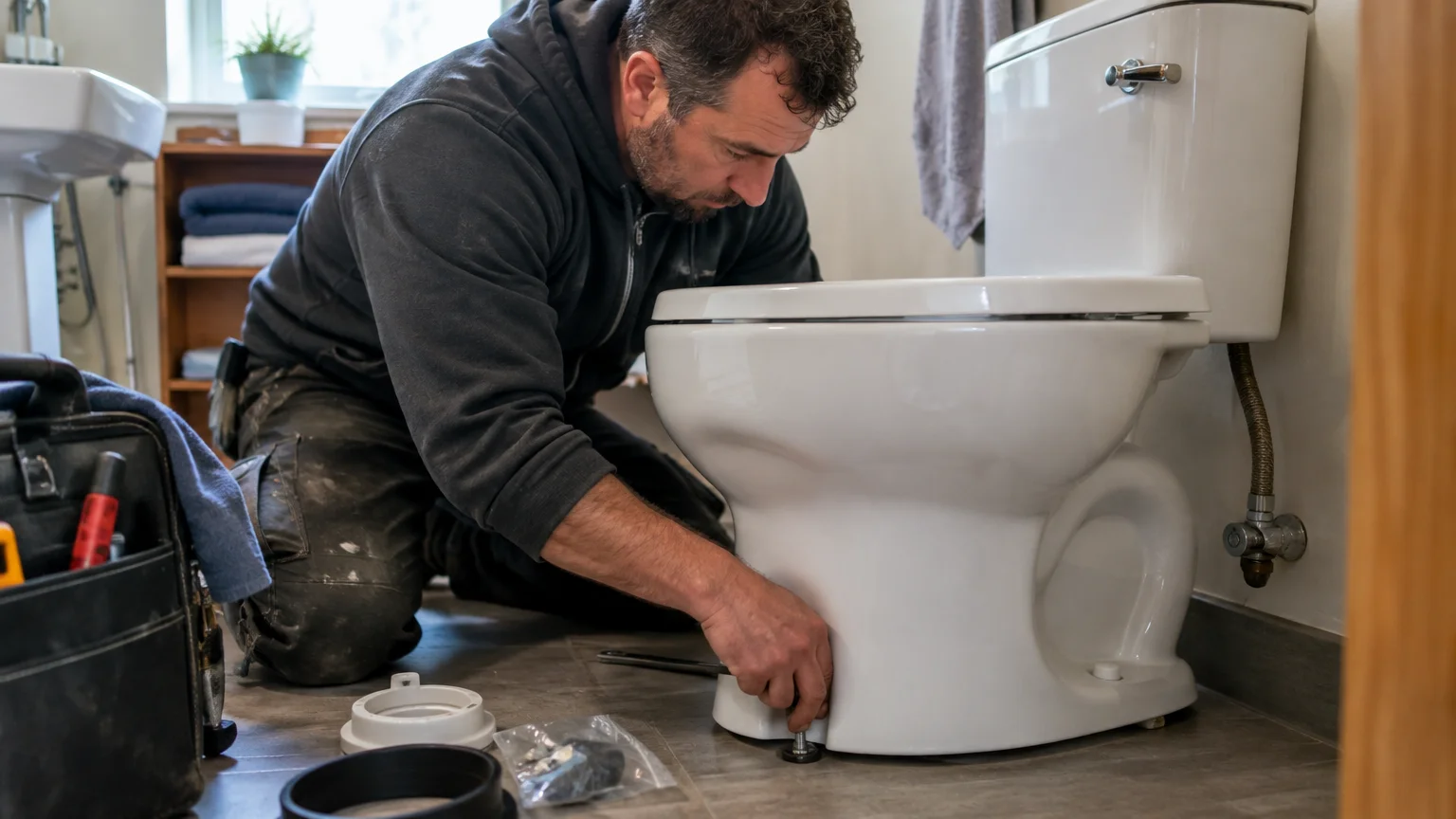
A faucet, toilet, sink, and shower fixture connect in different ways. A faucet may need new water lines or a drain part. A toilet needs a steady floor connection and a good seal. A shower fixture may need access behind a wall, which can make the work more involved.
The fixture model also matters. Some fit common connections, while others need special parts or careful fitting. A wall-mounted sink, for example, needs strong support inside the wall. A replacement faucet may be simpler when its new holes match the old ones.
These differences affect the work and may also shape related plumbing costs. A basic replacement with sound connections is often less involved than a job that needs repairs or new pipe routes. The exact scope depends on what the plumber finds at the property, not only on the fixture’s label or style.
Why existing plumbing conditions matter
Old, worn, or damaged pipes can change the work. A plumber may find a shutoff valve that will not close, a drain that leaks, or a connection that no longer fits. Fixing these problems helps prevent water from escaping after the new fixture is installed.
Access also matters. A fixture inside a tight cabinet may take more care to reach than one with open space around it. Highland Village Plumbing can review the fixture and plumbing with property owners before work begins. To get a clear quote, share the fixture type, any known leaks, and whether you are replacing an old fixture or adding a new one.
Which Fixtures Have Different Installation Requirements?
Toilets, faucets, sinks, and shower fixtures each need the right connections and support. Their location, shape, and use help set the work plan. A home bathroom, busy kitchen, and commercial restroom may all have different needs.
Toilets, faucets, sinks, and shower fixtures
A toilet must sit level and seal well to the drain. A poor seal can let water escape around the base. A running toilet may need a small repair instead of a full replacement. A homeowner can check whether the tank flapper is stuck, but should stop if water reaches the floor or the shutoff valve fails.
Faucets need secure water lines and a working drain setup. A drip may come from a worn part that is simple to replace. But a leak under the sink can point to a loose or damaged connection. Sinks also need firm support, a proper drain fit, and a seal that keeps water away from cabinets.
Shower fixtures include parts such as handles, valves, and showerheads. A showerhead swap may be simple when the fitting matches. A valve inside the wall is harder to reach and may leak out of sight. The right repair depends on where the water escapes and how the fixture connects.
The needed work can affect repair costs as well as installation plans. A small part replacement is different from replacing a fixture with damaged pipes or hidden leaks. Toilet repair cost also depends on what has failed; a simple tank issue is not the same job as a damaged base or connection.
Kitchen, bathroom, and commercial fixture considerations
Kitchen fixtures often get used many times each day. A new faucet must fit the sink and counter. It may need a different number of mounting holes. Bathroom fixtures need to fit the room and connect to the existing drains and water lines. The right choice works with the space, not just its look.
Commercial fixtures may need to handle steady use by many people. Fit, strength, and easy cleaning all matter. Property owners should also think about how long the room can be out of use during the job. Highland Village Plumbing can help homeowners and property managers compare fixture needs before settling on an installation plan.
How Does Replacing a Fixture Compare With Installing a New One?
Replacing a fixture in the same spot can be simpler when its connections are sound and fit the new item. Installing a fixture in a new spot may require changes to water lines, drains, walls, or floors. A plumber checks the setup before confirming the work and quote.
When existing connections can be reused
A direct replacement may use the existing water lines, drain, and mounting points. This can keep the work focused on taking out the old fixture and fitting the new one. The plumber still needs to check that the connections are in good shape and match the new fixture.
A new toilet may look much like the old one but have a different base shape. A faucet may need more or fewer mounting holes. A sink may have a drain in a different place. Small differences can mean extra work, so checking the fixture details first can help avoid a poor fit.
Homeowners can safely measure the open space and note the fixture brand or model. They can also clear items from the work area. There is no need to take apart pipes or remove a fixture to help with planning. If a shutoff valve is stuck or a connection drips, leave it alone and tell the plumber.
How layout changes or new plumbing affect the project
Moving a fixture can mean more than fitting a new item. Water lines may need to reach a new spot, and the drain may need changes. Walls, floors, and cabinets can also limit access. The job needs careful planning so water flows and drains as it should.
A new sink location may need work behind a wall or below a floor. Adding a shower where there was none can involve several water connections and control parts. The amount of work depends on the building and the planned layout.
Before choosing a new location, think about how the room is used and where pipes may run. A plumber can explain what can stay and what must change. If a project is part of a larger room update, Bathroom Installations or Kitchen Plumbing may help owners understand related work. The final quote should match the site conditions and agreed work.
What Additional Work Can Affect the Overall Installation?
Taking out an old fixture, fixing damaged parts, gaining access, and meeting local rules can add work. These needs differ from one property to another. A plumber checks them before starting and explains what the job includes.
Removing old fixtures and addressing damaged parts
An old fixture may be stuck, rusty, or sealed in place. Careful removal helps protect nearby tile, counters, cabinets, and pipes. If a part breaks during removal, the plumber may need to replace it before the new fixture can be fitted safely.
Hidden damage can also change the plan. A soft floor near a toilet may point to water damage. A stained cabinet below a sink may mean a leak has been present for some time. The plumber may need to find and fix the source before installing the new fixture.
Homeowners can look for damp spots, stains, mold-like growth, or a musty smell. Do not cover these signs with a new fixture. Tell the plumber what you saw and when it began. Sharing those details can help the plumber check the right areas and explain what should happen next.
Permits, access, and code requirements
Some projects may need permits or must follow local plumbing rules. Requirements can differ by city, county, and state. A property owner can check with the local building office or ask the plumber. Work that changes pipes or fixture locations may need more review than a like-for-like replacement.
Clear access helps the plumber work safely. Move stored items from under a sink and keep pets and children away from tools and open pipes. If the fixture is in a shared building, arrange access to the room and tell affected occupants about planned water shutoffs.
The plumber should explain what the job includes, whether other work may be needed, and how the fixture will be tested. Ask about cleanup and how the old fixture will be handled. These details help owners understand the work before it starts and what the quote covers.
How Can You Choose the Right Fixture for Your Property?
Choose a fixture that fits the space, works with the plumbing, and suits how people use the property. Strength, water use, care, and access to repair parts matter too. Checking these points before buying can help prevent fit problems and extra work.
Balancing durability, water use, and compatibility
Start by checking the fixture’s size and connection details. Compare them with the current setup, including mounting holes, drain position, and open space. If those details are not clear, wait to buy until a plumber has checked the area.
Think about daily use as well. A kitchen faucet used often needs a strong handle and parts that are easy to care for. A toilet in a busy home or business may need a sturdy design. Water-saving models can use less water, but they still must work with the plumbing and follow local rules.
Read the maker’s care directions and keep them for later. Ask whether common repair parts are easy to find. A fixture that looks good but is hard to fix may not be a good long-term choice. Aim for a balance between appearance, steady use, and simple care.
Questions to consider before selecting a fixture
Before choosing a fixture, think about the room, its users, and the plumbing already there. A landlord may value easy care between tenants. A business owner may need a fixture that handles frequent use. A homeowner may focus on comfort and a style that suits the room.
Useful questions include:
- Will the fixture fit the open space and existing connections?
- Does the model need special parts, tools, or access behind a wall?
- Is it suited to how often people use the room?
- Can the owner find care directions and repair parts?
- Does the product follow local rules for its planned use?
A plumber can check whether the fixture will fit and point out likely issues. The plumber does not have to choose it for you. Owners can compare choices, ask questions, and select a model that fits the room and work plan.
How Can You Prepare for a Fixture Installation?
Prepare by clearing the work area, sharing known problems, and confirming which fixture will be installed. The plumber can explain the plan and test the fixture after fitting it. Homeowners can do simple preparation, but should not work on unsafe pipes or valves.
What to check before the plumber arrives
Move items away from the sink, toilet, or shower so the plumber can reach the connections. Keep pets and children out of the work area. If the fixture is in a rental or shared building, make sure the right person can provide access.
Share details about leaks, weak water flow, odd sounds, or past repairs. Mention whether a toilet keeps running or a faucet drips after it is turned off. These notes help the plumber understand the issue. If the water shutoff valve is easy to reach and works as it should, the plumber can decide when to use it.
A homeowner can clear the counter, take photos, or read the fixture label. These are safe steps. Do not force a stuck valve, cut a pipe, or remove a fixture. If water is spreading, stay clear of electrical items and tell the plumber where it is coming from.
What to expect during installation and testing
The plumber will check the fixture, connections, and work area before fitting the new item. The steps depend on the fixture and whether other parts need repair. If a new problem changes the plan, the plumber should explain the change before doing extra work.
After installation, the plumber should run water and check for leaks. A toilet should flush and refill as expected. A faucet should turn on and off, and the drain should carry water away. Homeowners can watch the test and ask how to spot a problem later.
Follow the maker’s care directions and keep the product details. Check the area again after normal use. Report a new drip, damp cabinet, or water around a toilet base promptly. A careful test and simple checks can help find problems before they cause more damage.
When Should You Hire a Plumber for Fixture Installation?
Hire a plumber when work needs new pipe connections, a fixture move, attention to hidden leaks, damaged parts, or a valve that will not shut off. Simple cleaning and basic checks are often safe to do yourself. Stop and get help if water is spreading or the work feels unsafe.
Signs a repair or installation needs professional attention
A plumber should check a fixture that leaks into a wall, floor, or cabinet. Water damage can spread beyond the spot you can see. A toilet that keeps running may need a small part, but repeated trouble, a cracked tank, or water around the base needs a closer look.
Get help if a shutoff valve will not close, a pipe looks damaged, or a new fixture does not fit the connections. Do not force old parts. A broken connection can cause a sudden leak and more damage.
Homeowners can clean a faucet aerator, wipe away mineral buildup, or check a loose handle when the task is safe and simple. These basic jobs do not always need a plumber. But work behind walls, drain changes, and leaks with an unclear source are better left to a trained plumbing professional. Drain cleaning may help with a blocked drain, but it does not replace needed fixture or pipe repairs.
Key takeaways
- Fixture installation cost depends on the fixture, access, plumbing condition, and job scope.
- Replacing a fixture in the same spot may need less work than moving it.
- Check the fixture size and connections before buying a replacement.
- Homeowners can clear the work area and do simple cleaning, but should not force valves or pipes.
- The final cost is confirmed in a quote after the plumber reviews the job.
Frequently Asked Questions
How do you know whether a faucet needs repair or replacement?
A faucet may need repair when a worn part causes a drip or loose handle. Replacement may make more sense if its body is cracked, repair parts are hard to find, or leaks keep returning. A plumber can check the faucet and its connections before suggesting the next step.
What should someone do if a toilet keeps running?
A homeowner can look inside the tank to see whether the flapper is stuck or the chain is tangled. Do not force any part. If the toilet keeps running after a simple check, the shutoff valve will not work, or water appears around the base, contact a plumber.
Can a homeowner install a new faucet?
A homeowner with basic skills may replace a faucet when the new model fits the existing holes and connections, and the shutoff valves work. Stop if a valve is stuck, pipes are damaged, or the connections do not match. A plumber can handle those problems and check for leaks.
Does replacing a fixture usually require changing pipes?
Not always. A direct replacement may use sound connections already in place. Pipe changes may be needed when the new fixture has different fittings, old pipes are damaged, or the fixture is moving. A plumber can inspect the setup and explain the work that is needed.
What affects fixture installation cost the most?
The fixture type, access, existing plumbing, and amount of repair work all affect the job. A replacement in the same spot may be simpler than adding a fixture in a new location. The final cost is confirmed in a quote after the plumber reviews the property and planned work.
For fixture installation or repair, Contact us to discuss the job with Highland Village Plumbing.
If you are not sure what you are dealing with, it is worth having someone look at it before it turns into a bigger job. Get in touch with Highland Village Plumbing today and we will tell you where you stand.